
Have you ever paused to think about how that sleek water bottle you carry, the sturdy casing on your phone, or even the tiny plastic parts in your car came to be? Honestly, most of us don’t. We just see the finished product on the store shelf and assume it appeared out of nowhere. But behind every piece of plastic, there’s a fascinating story—and it often begins in a plastic mold factory.
I recently had the chance to visit one, and I was honestly surprised at how much goes into making even the simplest plastic item. It’s not just about machines pressing molten plastic into a mold; it’s a mix of engineering precision, creativity, and a little bit of magic.
Table of Contents
The Heart of the Operation: Understanding the Factory
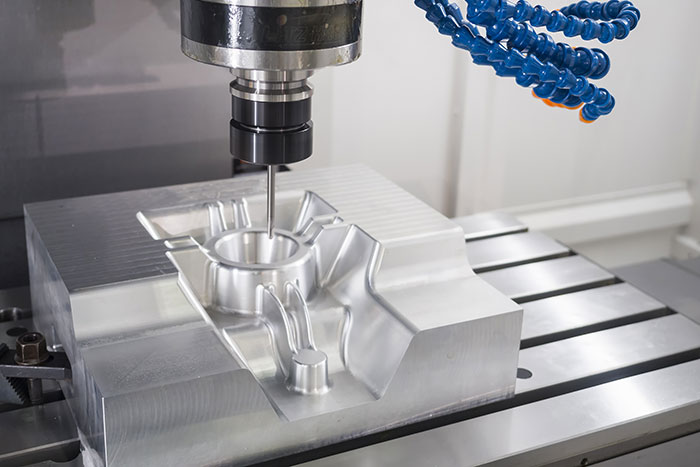
Walking into a plastic mold factory, the first thing you notice is the hum of machines. Injection molding machines, CNC machines, and automated assembly lines all work in sync, like a well-rehearsed orchestra. Each machine has its role: some shape the raw plastic into molds, others trim the finished pieces, and some even inspect them for imperfections.
What’s amazing is how customized each process is. You might think a mold is just a simple cavity, but it’s actually a highly engineered tool. These molds can cost thousands, sometimes tens of thousands of dollars, depending on the complexity of the product. And here’s something I didn’t expect—they’re often handcrafted with incredible attention to detail before the first piece of plastic is even poured.
More Than Machines: The Human Touch
You might picture factories as cold, robotic spaces, but the truth is quite different. Skilled technicians and engineers are at the core of the operation. They’re constantly adjusting temperatures, pressures, and timing to get just the right finish. One engineer I spoke to joked that molding plastic is “like baking a soufflé—you get one shot, and if it’s off by a little, it’s ruined.”
Even quality control is surprisingly hands-on. While some inspections are automated, humans are still needed to check texture, color, and durability. This is where the factory transforms from a mechanical space into a creative lab. You begin to appreciate that every product, no matter how ordinary it seems, carries a bit of human care behind it.
Environmental Considerations
Now, you might not know this, but plastic mold factories have been under pressure to become more environmentally responsible. Recycling scrap material, using energy-efficient machines, and experimenting with biodegradable plastics are increasingly common practices. During my visit, the factory manager proudly showed me how leftover plastic from one batch could be melted down and reused for smaller items. It’s not perfect, but it’s a start, and it really changed my perspective on plastic manufacturing.
For anyone interested in learning more about these innovations, some factories have detailed case studies and insights online, which can be eye-opening if you care about sustainable production.
Why Choosing the Right Factory Matters
If you’re a business looking to produce a new product, picking the right plastic mold factory isn’t just about cost—it’s about expertise. A factory with skilled engineers and quality assurance processes can make the difference between a product that breaks after a week and one that becomes a customer favorite.
I was particularly impressed by how some factories offer consultation at the design stage, helping businesses optimize molds for both efficiency and durability. It’s a collaborative process that’s rarely obvious to consumers but absolutely crucial for brands.
Innovations You Might Not Expect
Here’s something that blew me away: some plastic mold factories are experimenting with AI and 3D printing to streamline prototyping. Instead of spending weeks creating a mold from scratch, engineers can now print a prototype, test it, and tweak the design almost in real-time. This blend of old-school precision and cutting-edge tech is changing the industry fast.
Another innovation I saw was modular molds. Instead of creating a completely new mold for every product, factories can swap out sections of a mold to create variations. It’s like building with LEGO blocks—but for industrial manufacturing.
Reflecting on the Journey
Leaving the factory, I felt a newfound respect for the humble plastic items in our lives. We often dismiss them as cheap or disposable, but the truth is, each piece is the product of complex engineering, human expertise, and countless tiny decisions.
Visiting a plastic mold factory also made me think about patience and precision. Watching engineers tweak settings and test prototypes repeatedly reminded me that even in a fast-paced world, taking time to get things right is invaluable.
Honestly, I think everyone should see a factory at least once—not just for the novelty, but for the perspective it gives on everyday objects. It’s a reminder that even the most mundane items have a story worth telling.
Final Thoughts
Next time you pick up a plastic product, take a moment to imagine the journey it went through—from a block of raw material to a finished item in your hands. It’s more than manufacturing; it’s a blend of science, creativity, and care.
If you’re in business or just curious about how products are made, checking out insights from a plastic mold factory can be surprisingly inspiring. Who knew that a place filled with machinery and molten plastic could also teach lessons about patience, innovation, and craftsmanship?