
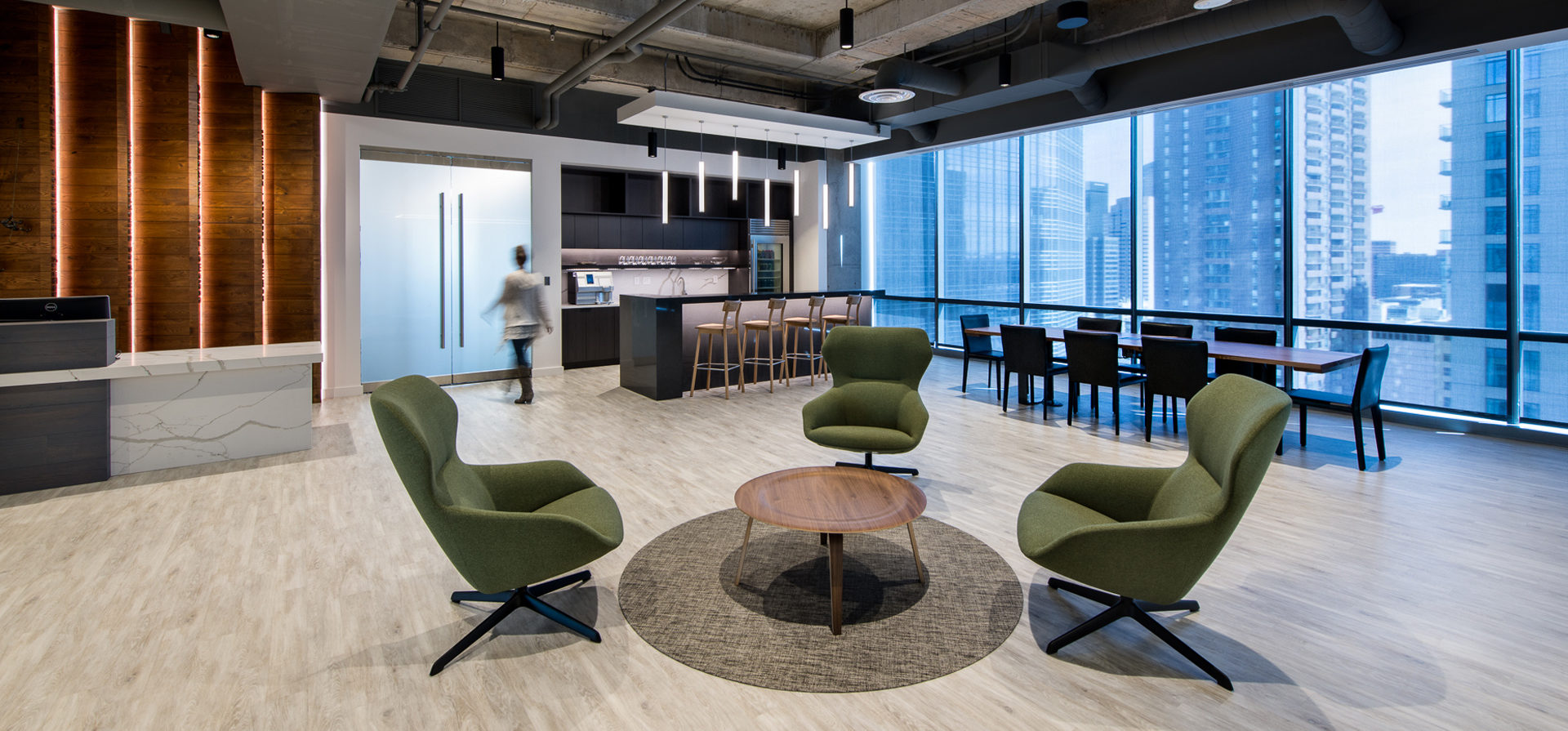
I still remember the first time I walked into a space that made me stop mid-step.
It wasn’t just beautiful. It wasn’t just “well-designed.” It felt alive. The lighting shifted almost imperceptibly. The music wasn’t background noise — it felt intentional. Even the way people moved through the room seemed choreographed, though no one had told them where to go.
That’s when it hit me: the best spaces don’t just look good. They tell stories.
And behind those stories, more often than not, is an entertainment design company quietly orchestrating the entire experience.
Most people don’t think about that. We walk into theme parks, branded pop-ups, immersive museums, casino floors, live event venues — and we react emotionally without questioning why. We feel excitement, curiosity, comfort, nostalgia. It feels effortless. But it isn’t.
There’s a surprising amount of psychology, engineering, storytelling, and plain old human intuition at work.
Let’s unpack that a little.
Table of Contents
It’s Not Just “Design.” It’s Emotional Architecture.
When people hear the word “design,” they usually picture furniture, color palettes, maybe a cool logo on a wall. But entertainment design lives in a different category altogether.
It’s closer to filmmaking than interior decorating.
You’re designing anticipation. You’re designing flow. You’re designing moments people will remember — and hopefully talk about.
Think about how a well-designed entertainment space guides you. The entrance builds suspense. The central feature acts as a reveal. The lighting dims when it needs intimacy. The acoustics amplify excitement at exactly the right time. Even the scent in the air might be intentional.
None of that is random.
An experienced entertainment design company approaches a space the way a director approaches a script. What’s the narrative arc? Where does tension rise? Where’s the payoff? Where do guests pause and where do they move quickly?
You might not notice these decisions consciously — but your brain does. And that’s what makes the experience feel seamless.
Why Experience Now Matters More Than Ever
Here’s something I’ve observed over the last decade: people don’t just want products anymore. They want experiences worth documenting.
If a space isn’t memorable, it risks being invisible.
We live in a time where someone can broadcast their environment to thousands of followers in seconds. That means physical spaces are competing not just with each other, but with digital entertainment, streaming platforms, gaming worlds, and social media feeds.
That’s a tall order.
To compete, venues have to offer something that can’t be replicated on a screen. Immersion. Scale. Sensory depth. Human energy.
This is where thoughtful entertainment design becomes a strategic asset rather than a decorative afterthought.
Honestly, I’ve seen venues completely transform their brand perception simply by rethinking how guests move through and interact with the space. It’s not always about spending more money. Sometimes it’s about spending it more intelligently — designing for emotion rather than just aesthetics.
The Subtle Science Behind Crowd Flow
Let’s talk logistics for a second, because this is where things get interesting.
In entertainment environments, movement is everything.
If guests feel confused or bottlenecked, frustration builds. If they feel guided and curious, engagement increases. That difference might come down to ceiling height, sightlines, lighting gradients, or how pathways subtly curve instead of forming sharp angles.
It’s almost invisible when done well.
I once spoke with a project lead who described crowd flow like water behavior. You don’t fight it — you channel it. That metaphor stuck with me.
A strong entertainment design company studies human behavior patterns obsessively. Where do people pause? What attracts them visually? How far are they willing to walk before attention drops? How does sound carry across open space?
These details determine whether an event feels effortless or chaotic.
And in high-traffic venues — stadiums, casinos, attractions — those decisions affect safety, revenue, and reputation all at once.
No pressure, right?
Technology Has Changed the Game (But It’s Not the Hero)
It’s tempting to think modern entertainment design is all about flashy LED walls and interactive screens.
Those tools are powerful. But they’re not the foundation.
Technology should support the story, not replace it.
Some of the most memorable environments I’ve experienced used restraint. Strategic lighting instead of overwhelming brightness. Audio cues that were directional, not blaring. Projection mapping that enhanced architectural features rather than overpowering them.
The real art lies in integration.
When lighting designers, sound engineers, architects, brand strategists, and creative directors collaborate early in a project, the result feels cohesive. When they don’t, you can feel the disconnect. It’s subtle, but it’s there.
The magic happens when everything works together — almost like a live performance that never ends.
Storytelling Is the Anchor
Here’s the part I find most compelling: great entertainment spaces always start with a story.
Who is this for?
What do we want them to feel?
What memory should they walk away with?
Without those answers, design becomes decoration.
With them, it becomes narrative.
I’ve seen themed restaurants where the backstory informed every detail, from menu typography to bathroom signage. I’ve walked through interactive exhibits where lighting intensity shifted as the narrative deepened. Those aren’t random choices. They’re deliberate storytelling mechanisms.
And guests can sense authenticity. If the story feels thin or forced, the space won’t resonate — no matter how expensive it looks.
The Business Side (Because Yes, It Matters)
Let’s be practical for a moment.
Good entertainment design isn’t just about delight. It drives measurable outcomes.
Longer dwell time.
Higher per-guest spending.
Repeat visits.
Social media exposure.
Brand loyalty.
I was surprised to learn how much minor design adjustments can influence purchasing behavior. Placement of focal points, ambient sound tempo, even ceiling height variations can subtly shape how long someone stays — and what they’re willing to buy.
It’s behavioral economics wrapped in aesthetics.
For operators and investors, that’s where the real return lies.
An entertainment space that feels compelling becomes a destination rather than a stop. That difference can define whether a project thrives or quietly disappears within a year.
What Sets Exceptional Design Apart
So what separates average from extraordinary?
In my experience, it comes down to three things:
- Intentionality – Every element has a reason.
- Cohesion – Nothing feels added as an afterthought.
- Emotional Awareness – The design respects how people actually feel in a space.
There’s also humility involved. The best design teams listen deeply — to clients, to communities, to the behavior of real users. They prototype. They test. They adjust.
It’s not glamorous all the time. It’s iterative. Sometimes messy.
But the final result feels effortless.
And that’s the point.
The Human Element We Can’t Ignore
For all the technology and strategy involved, entertainment design is still fundamentally about people.
The child seeing something magical for the first time.
The couple taking photos to remember a night out.
The group of friends laughing in a space that somehow makes the moment feel bigger.
Those emotional responses aren’t accidental. They’re designed.
But here’s the irony — the design disappears when it works well. People don’t say, “Wow, impressive lighting grid placement.” They say, “That place was amazing.”
That emotional shorthand is the ultimate compliment.
Looking Ahead: The Future of Immersive Spaces
Where is this heading?
I think we’ll see even deeper integration between digital and physical worlds. Augmented layers, personalized experiences, adaptive lighting that responds to crowd density — it’s already happening in subtle ways.
But I hope one thing doesn’t change.
The core of entertainment design should remain storytelling-driven, human-centered, and emotionally intelligent.
Trends will evolve. Technologies will shift. Attention spans might even get shorter.
But our need to gather, to be immersed, to feel transported — that’s timeless.
A Final Thought
Next time you walk into a venue that makes you pause — even for a second — look around more carefully.
Notice how your eyes are guided.
Notice how the sound shapes your mood.
Notice how the space almost seems to anticipate your next move.
That’s not luck.
That’s design layered with intention.
And behind it, almost certainly, is a team that understands something simple yet powerful: when you design for emotion, you design for memory.